Building with AI: who decides, who executes, gates and evidence
Most of Obituary's code was written by AI: a coordinator splits tasks and verifies findings, workers implement in their own workspaces, and reviewers are read-only. This post covers how that division of labor took shape, why the briefs ask for gates and evidence, and how we became the first victims of the very problem Obituary is meant to solve.
Most of Obituary's code was written by AI, and what the project exists to deal with is what AI leaves behind. With those two things together, the development process itself became the first testing ground. This post covers how the division of labor was settled, when work has to stop for a confirmation, and how we stepped into our own trap first.
Who decides, who does the work
The division of labor is roughly this. One person sets the direction and makes the product trade-offs. The coordinator, which is Claude, splits large goals into tasks, writes a brief for each task, verifies every finding, merges the changes that come back and guards releases. The workers are Codex, implementing each task in its own isolated workspace according to the brief. The reviewers are Codex as well, read-only, two or three per phase, looking at the same code from different angles in parallel. Scheduling is done by Orca, which starts terminals, dispatches tasks and collects reports.
One lesson came out of using it this way: judgment belongs on the coordinator's side, and Codex gets explicit instructions and then gets on with the work, so decisions should not be thrown over to it. That is why the briefs are so specific about what to do, what not to do, which files not to touch and what has to come back. From 8 November, dispatching Codex moved from a delegation script we had written ourselves to Orca's orchestration. How many workers can run at the same time is capped, because neither the quota nor the machine can carry too many, and the cap was adjusted a few times.
Gates and evidence
A brief can contain gates. At a certain step the worker has to stop, ask the coordinator and wait for the reply before going on. Anything that is hard to take back is behind a gate: pushing to a shared repository, releasing, publishing outward. The point of a gate is that the decision stays with whoever makes decisions, while a worker can take the work right up to the last step.
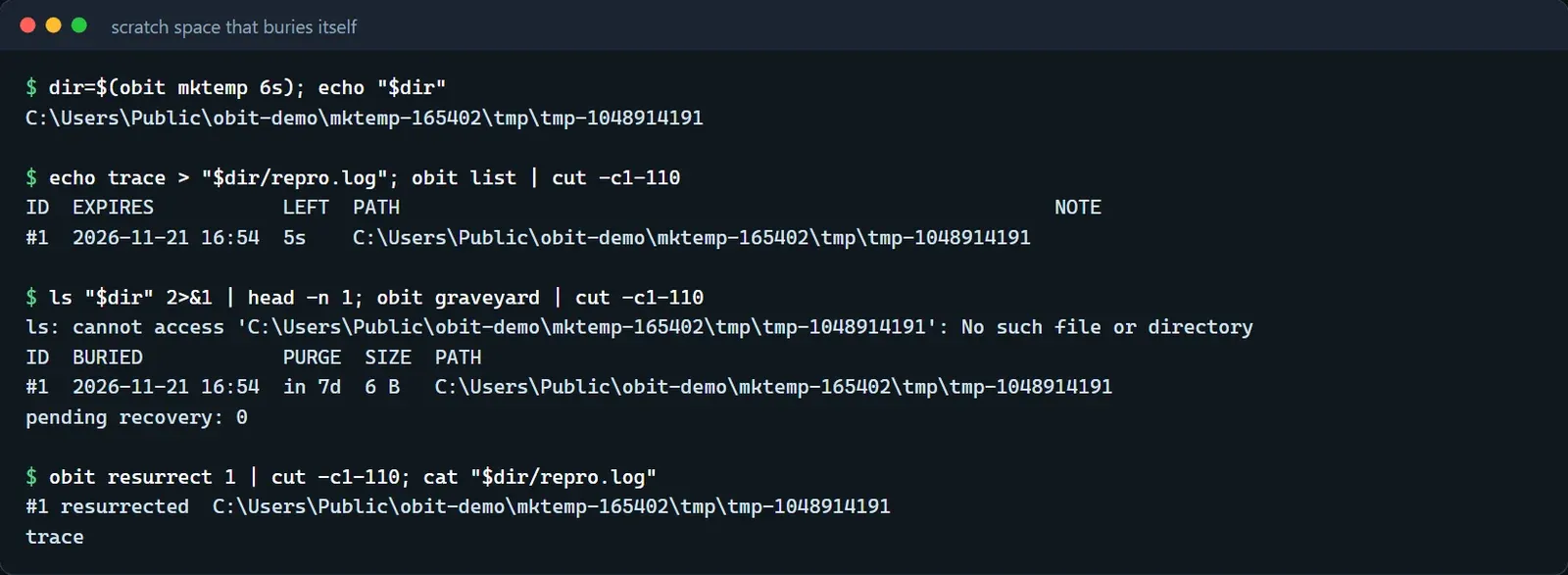
What comes back has to carry evidence, and evidence means real output and not a retelling. The results of tests and mutation checks are attached, so is the check that the test really fails once the fix is reverted, and so are screenshots and command output. The same principle was later applied to outward-facing material. The website and user documentation describe concrete entry points, effects and limits, commands in videos are run for real in an isolated directory and their actual results are used, and a preview, a pending approval or a case that cannot be resurrected must not be presented as supported.
Review has a rule against endless loops. Only a finding that could delete, move or overwrite the wrong object counts as HIGH, one that can be triggered only by names built with extended paths or WSL and that cannot permanently delete the wrong thing is MEDIUM or LOW, and small fixes and test-only changes get one round of review. From 21 November, the shared website repository is merged and deployed by the coordinator, and workers push only their own branches. The cause was a rebase that replaced a whole stylesheet and deleted four groups of rules, which an acceptance check that looked at a single partial screenshot did not catch. The coordinator now checks deletions line by line, merges onto the latest main, builds from the final tree, screenshots the affected pages, pushes, and then checks the live pages both overseas and in mainland China.
We were the first users
The temporary directories went wrong first. Workers running tests and reproductions left evidence directories in the system temporary folder. Counted on 10 November there were more than 70 of them, taking 2.4 GB, and nobody remembered to delete them. This is exactly what Obituary is for, so the rule became that debug scripts, logs, reproduction and evidence directories are created with obit mktemp 2d, or an existing directory gets obit mark <path> 2d, and they are buried by themselves at expiry and can be resurrected. Only when a sandbox account cannot write to the ledger does a worker fall back to making a directory by hand in the temporary folder, and it says so in its report. Obituary refuses to register a directory that contains .git, and the worker deletes that one itself when done.
There was also a pitfall on Windows. Codex workers run as a sandbox account, and since Python 3.13 the directories that mkdtemp creates on Windows carry a protected ACL. If a test points the temporary directory there, restoring the ACL on .git fails and leaves behind a directory that only an administrator can delete. So tests use the default temporary directory, and cleaning up such a directory takes elevation, running takeown and icacls on the exact directory and then deleting it with ordinary permissions.
The events of 14 November show the point best. A worker wanted to measure the CPU use of the background process. It stopped the Obituary background process in use and put its own compiled test build in place, which then managed the real data, and it did not swap the real one back after the test. The tray looks for the window program only in the folder that holds the background program, and the temporary folder with the test build did not have it, so Open on the tray went grey. It simply looked as if it could not be clicked, and there was no way to see why. The fix has two layers. The immediate one was to swap the real build back as soon as that round of measurement ended, and from then on test scripts swap it back on exit. The product-level one was that when the window program is missing, Open can still be clicked and shows a notification saying what is missing and how to fix it, which went into 1.3.0.
One more thing has to be arranged in advance. When Orca restarts, the workers that are running lose their connection, so before a restart the session ID of every worker is written down and afterwards each one is picked up again by its ID exactly where it was.